
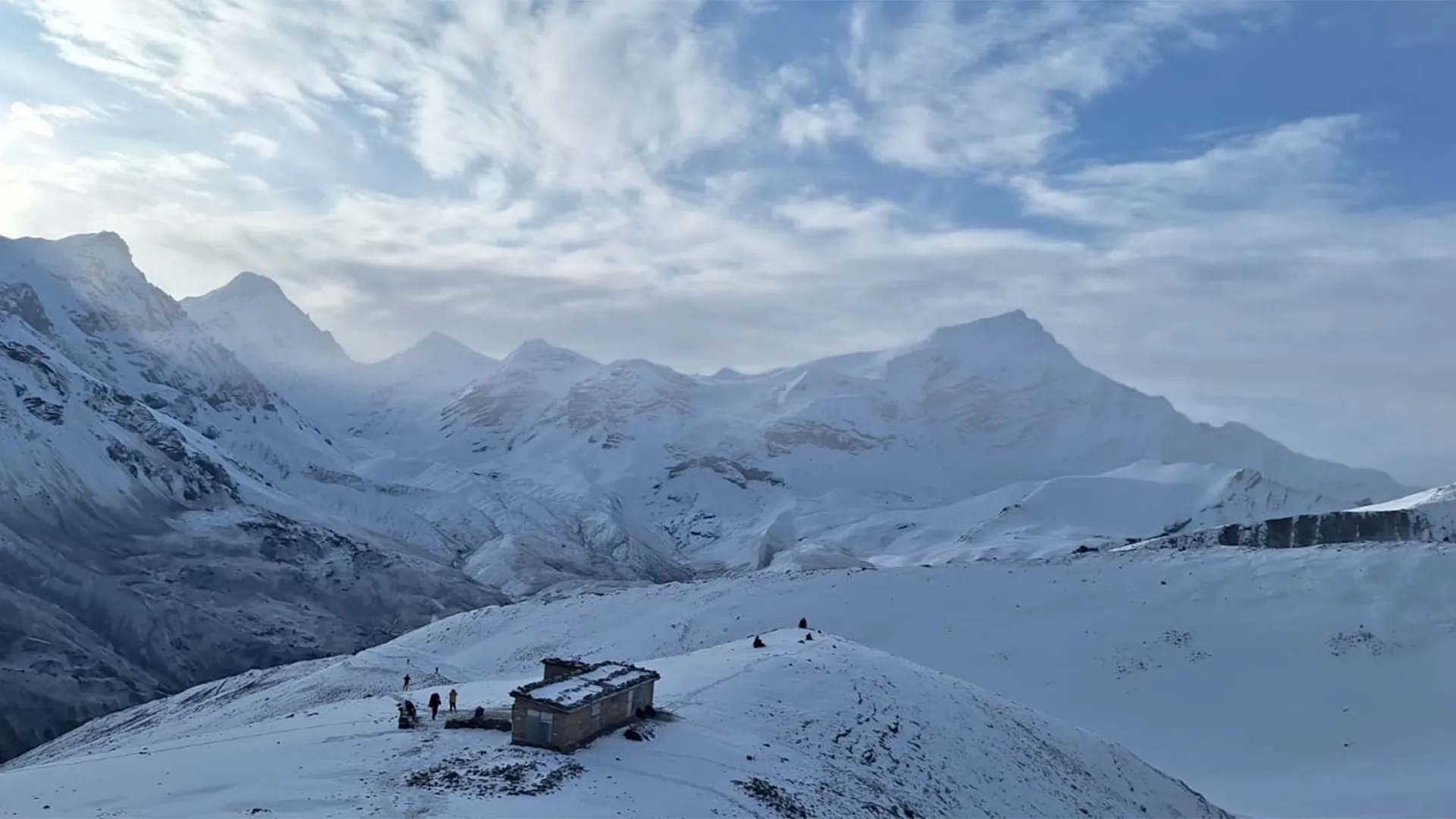
Annapurna Region
After Mount Everest, another Himalayan giant that has come to symbolize adventure in Nepal is the Annapurna Massif. Words alone hardly capture the allure of its diverse trails, dramatic landscapes, and the rich cultural traditions found throughout this remarkable region.
It’s no surprise that trekkers and climbers from around the world are drawn here. The appeal of the mountains lies not only in their height, but in the sense of freedom and perspective they offer—stepping away from everyday life and into a landscape that feels both timeless and deeply inspiring.
The name Annapurna comes from Sanskrit, meaning “Goddess of nourishment.” Rather than a single summit, it refers to a group of peaks, including Annapurna I—one of the world’s fourteen 8,000-meter mountains—along with several other towering Himalayan giants. These peaks constantly shift in character: glowing softly at sunrise, veiled by drifting clouds during the day, and illuminated under starlight at night. At times they appear calm and distant; at others, wild and untamed.
Bestroutetrek Nepal offers unforgettable journeys into this region, including two of the most iconic routes: the Annapurna Circuit and the Annapurna Sanctuary trek, each providing a very different but equally rewarding experience.
The Annapurna Circuit is renowned for its incredible variety. Trekkers pass through terraced farmlands, subtropical forests, bamboo groves, and misty woodlands before reaching high alpine terrain. Along the way, traditional villages reflect a blend of Hindu and Buddhist cultures, with prayer flags, temples, and monasteries adding spiritual depth to the journey.
As the trail climbs higher, the landscape becomes more rugged and dramatic. Wind-shaped cliffs, ancient settlements, and remote monasteries cling to the mountainsides. Wildlife such as the Himalayan tahr and even the elusive Snow leopard inhabit these upper regions, while a wide range of birds and alpine plants thrive in this challenging environment. It’s widely regarded as one of the world’s greatest long-distance treks.
The Annapurna Sanctuary trek offers a different kind of experience. It leads into a natural amphitheater surrounded by towering peaks, many rising above 7,000 meters, with Annapurna I dominating the skyline. Glaciers, snowfields, and steep rock walls encircle the basin, creating a setting that feels both विशाल and intimate.
At the heart of this sanctuary stands Machhapuchhre, the sacred “Fishtail” peak, which has never been officially climbed and is revered as a holy mountain. Its striking shape and presence make it one of the most iconic sights in Nepal.
From sunrise lighting up the summits to mist slowly filling the valley below, every moment in the Annapurna region feels vivid and memorable. It’s a place where natural beauty, cultural richness, and a sense of adventure come together—creating an experience that stays with you long after the journey ends.

Api Saipal Region
Far beyond Nepal’s famous trekking destinations lies the Api Saipal Region, a remote and largely unexplored Himalayan wilderness in Sudurpashchim Province. Surrounded by dramatic mountain landscapes, deep river valleys, high alpine meadows, and traditional mountain communities, this remarkable region offers an authentic trekking experience far away from the crowds of Nepal’s more established trekking routes.
The region takes its name from two magnificent Himalayan peaks: Mount Api, rising to 7,132 meters in Darchula, and Mount Saipal, reaching 7,031 meters in Bajhang. Rising dramatically above the rugged landscapes of far-western Nepal, these two mountains form the spectacular centerpiece of a vast wilderness where pristine valleys, glaciers, forests, and high mountain passes create an extraordinary setting for adventure.
For trekkers looking to explore remote Nepal, the Api Saipal Region offers something increasingly rare—the opportunity to travel through landscapes where tourism has had very little impact. Trails pass through isolated villages, dense Himalayan forests, rushing rivers, and remote valleys before gradually entering the high alpine environment beneath the towering peaks of Api and Saipal.
The lower elevations of the region are rich in natural and cultural diversity. Traditional villages are surrounded by terraced farmland and forests of pine, fir, birch, and rhododendron. As the trails climb toward higher elevations, the landscape gradually transforms into open grasslands, rocky ridges, glacial valleys, and snow-covered Himalayan terrain. This remarkable change in scenery makes an Api Saipal trek a journey through several distinct Himalayan environments.
The cultural heritage of the region adds another important dimension to the experience. The remote districts of Darchula and Bajhang are home to communities that have maintained traditional lifestyles and local customs for generations. Hindu and Buddhist influences can be seen in village traditions, temples, shrines, monasteries, festivals, and everyday life. Walking through these settlements provides trekkers with an opportunity to experience a quieter and less-visited side of Nepal’s cultural landscape.
Above the valleys, the mountains become increasingly dramatic. Mount Api, one of the most prominent peaks of western Nepal, dominates the skyline of Darchula, while Mount Saipal rises majestically above the rugged landscapes of Bajhang. Between these Himalayan giants stretches a vast wilderness of high valleys, glaciers, ridges, and remote mountain terrain that remains far less explored than the Everest, Annapurna, and Langtang regions.
The Api Saipal Region is also known for its rich Himalayan biodiversity. Its forests and alpine environments provide habitat for wildlife such as Himalayan tahr, blue sheep, musk deer, and numerous species of Himalayan birds. The surrounding forests and alpine meadows are particularly beautiful during the flowering season, when rhododendrons and other mountain plants add color to the rugged landscape.
One of the greatest attractions of an Api Saipal Trek is the sense of solitude it provides. Unlike Nepal’s popular trekking routes, where trails and mountain villages can become busy during peak seasons, Api Saipal remains peaceful and sparsely visited. Trekkers can spend long hours walking through quiet valleys, crossing mountain rivers, and watching the changing light move across enormous Himalayan peaks.
The remote nature of Api Saipal trekking also makes the journey an adventure in itself. Trails can be challenging, facilities are limited, and some areas require careful planning, experienced guides, and logistical support. These challenges are part of what makes the region so rewarding. Rather than following a highly developed trekking circuit, travelers experience the raw character of the far-western Himalayas.
For those interested in off-the-beaten-path trekking in Nepal, Api Saipal provides an opportunity to discover a region that remains largely outside the country’s mainstream tourism routes. The combination of high Himalayan peaks, untouched wilderness, traditional communities, wildlife, and remote mountain trails creates an experience unlike the more commercialized trekking destinations of Nepal.
Bestroutetrek Nepal offers journeys into the Api Saipal Region, allowing adventurous travelers to explore the landscapes surrounding Mount Api and Mount Saipal while experiencing the culture and natural beauty of far-western Nepal. From remote villages and forested valleys to high alpine landscapes beneath towering Himalayan peaks, every stage of the journey reveals another side of this extraordinary region.
From the first glimpse of snow-covered peaks above a remote valley to evenings beneath clear Himalayan skies, the Api Saipal Region offers a powerful sense of exploration and discovery. It is a destination for travelers who want to go beyond Nepal’s famous trekking routes and experience a quieter, wilder, and more authentic Himalayan adventure.
Dolakha region
East of Kathmandu lies the spectacular Dolakha Region, a diverse Himalayan destination where dramatic mountain landscapes, remote valleys, ancient settlements, and sacred peaks come together. Often overshadowed by Nepal’s more famous trekking destinations, Dolakha offers an extraordinary opportunity to explore some of the country’s most rugged and peaceful mountain scenery, including the legendary Rolwaling Valley, Cho Rolpa Lake, and Gaurishankar Himal.
The region is dominated by the magnificent Gaurishankar Himal, a sacred Himalayan massif rising to 7,134 meters. Its distinctive twin-peaked profile stands above the surrounding valleys and has long held religious and cultural significance for local communities. The mountain is revered by both Hindus and Buddhists, giving the surrounding landscapes a spiritual character that can be felt throughout the region.
Among the most remarkable destinations in Dolakha is the remote Rolwaling Valley, a spectacular high-altitude valley enclosed by towering Himalayan peaks. Often described as one of Nepal’s hidden mountain valleys, Rolwaling stretches deep into the Himalayas through a landscape of glaciers, steep cliffs, alpine meadows, waterfalls, and traditional mountain settlements.
The Rolwaling Trek is an adventure for travelers seeking a more remote Himalayan experience. The trail follows the Rolwaling River through increasingly dramatic terrain, passing forests, traditional villages, narrow valleys, and high alpine landscapes. As the elevation increases, the surrounding mountains become more imposing, with glaciers and snow-covered peaks dominating the horizon.
One of the highlights of the region is Cho Rolpa Lake, one of Nepal’s most spectacular high-altitude glacial lakes. Situated at around 4,580 meters, the turquoise waters of Cho Rolpa are surrounded by rugged mountains, glaciers, and steep Himalayan slopes. Reaching the lake is an unforgettable experience, as the trail gradually leaves the lower forests behind and enters the stark beauty of the high Himalayas.
The Cho Rolpa Lake Trek combines cultural exploration with dramatic mountain scenery. Along the way, trekkers encounter Sherpa villages, Buddhist monasteries, prayer flags, mani walls, and traditional mountain homes. The changing landscape—from green forests and cultivated hillsides to barren alpine valleys and glacial terrain—makes the journey remarkably diverse.
For experienced adventurers, the Rolwaling Valley also provides access toward Tashi Lapcha Pass, a challenging high mountain crossing connecting Rolwaling with the Khumbu region. The pass offers spectacular views of the surrounding Himalayan peaks and provides a demanding extension for trekkers looking for a more adventurous journey.
Beyond Rolwaling, the wider Dolakha Region is filled with cultural and natural attractions. The historic town of Dolakha has deep religious significance, while remote mountain communities throughout the district preserve traditional lifestyles, architecture, festivals, and Himalayan customs. The region also contains forests rich in rhododendron, pine, fir, and other Himalayan vegetation, creating beautiful contrasts between the lower valleys and high alpine environments.
The landscape changes dramatically with altitude. Lower elevations are characterized by green hills, terraced farmland, forests, and traditional villages. Higher trails lead into dense mountain forests before emerging into alpine meadows, rocky valleys, glaciers, and snow-covered peaks. This extraordinary variety makes Dolakha trekking appealing to travelers who want to experience several different faces of the Nepalese Himalayas within one region.
Wildlife is another part of the region’s natural appeal. The forests and high-altitude environments provide habitat for Himalayan birds and mammals, while the protected landscapes around Gaurishankar support a diverse range of flora and fauna. During spring, rhododendron forests add vibrant color to the mountain trails, while the higher valleys offer expansive views of glaciers and snow-covered peaks.
The Dolakha Region is particularly attractive for travelers who prefer quieter trails and authentic mountain experiences. Although destinations such as Cho Rolpa and Rolwaling are becoming increasingly recognized, the region remains considerably less crowded than Nepal’s most popular trekking areas. The peaceful trails, remote villages, dramatic landscapes, and limited development create a strong sense of wilderness and exploration.
Bestroutetrek Nepal offers unforgettable journeys through the Dolakha Region, including the spectacular Cho Rolpa Lake Trek and Rolwaling Valley Trek. These journeys provide an opportunity to experience the magnificent Gaurishankar Himal, explore remote Himalayan communities, and discover some of Nepal’s most beautiful high-altitude landscapes.
From the green valleys and ancient settlements of lower Dolakha to the turquoise waters of Cho Rolpa and the towering peaks of Gaurishankar Himal, the region offers a remarkable combination of nature, culture, spirituality, and adventure. For travelers looking beyond Nepal’s well-known trekking routes, Dolakha opens the door to a quieter and deeply rewarding Himalayan experience.
Dolpo Region
The Dolpo region lies in the remote far west of Nepal, close to the Tibetan plateau. It is believed that Guru Padmasambhava introduced Buddhism to this area in the 8th century. Trekking here feels like a journey through layers of history and culture, where rugged trails and high passes challenge the body while the vast silence of the landscape expands the mind.
Unlike the Kathmandu Valley or even the Everest region, Dolpo feels entirely different—more isolated, more ancient, and deeply rooted in Tibetan-influenced traditions. It is also one of the last strongholds of the pre-Buddhist Bon religion, which still survives in scattered communities across the region.
Explorers and writers have long been drawn to Dolpo. Early accounts by David Snellgrove in *Himalayan Pilgrimage*, followed by Peter Matthiessen in *The Snow Leopard*, helped bring international attention to this hidden corner of the Himalayas. Later, the film *Himalaya* by Eric Valli further showcased its raw beauty and culture.
Today, only a limited number of trekkers are permitted each year, and special permits and fees are required to enter the region, which naturally keeps visitor numbers low. Bestroutre Trek Nepal can provide updated information on costs and logistics, as well as organize carefully planned expeditions. Given its remoteness and depth, even a three-week journey feels like only a glimpse into what Dolpo truly holds.
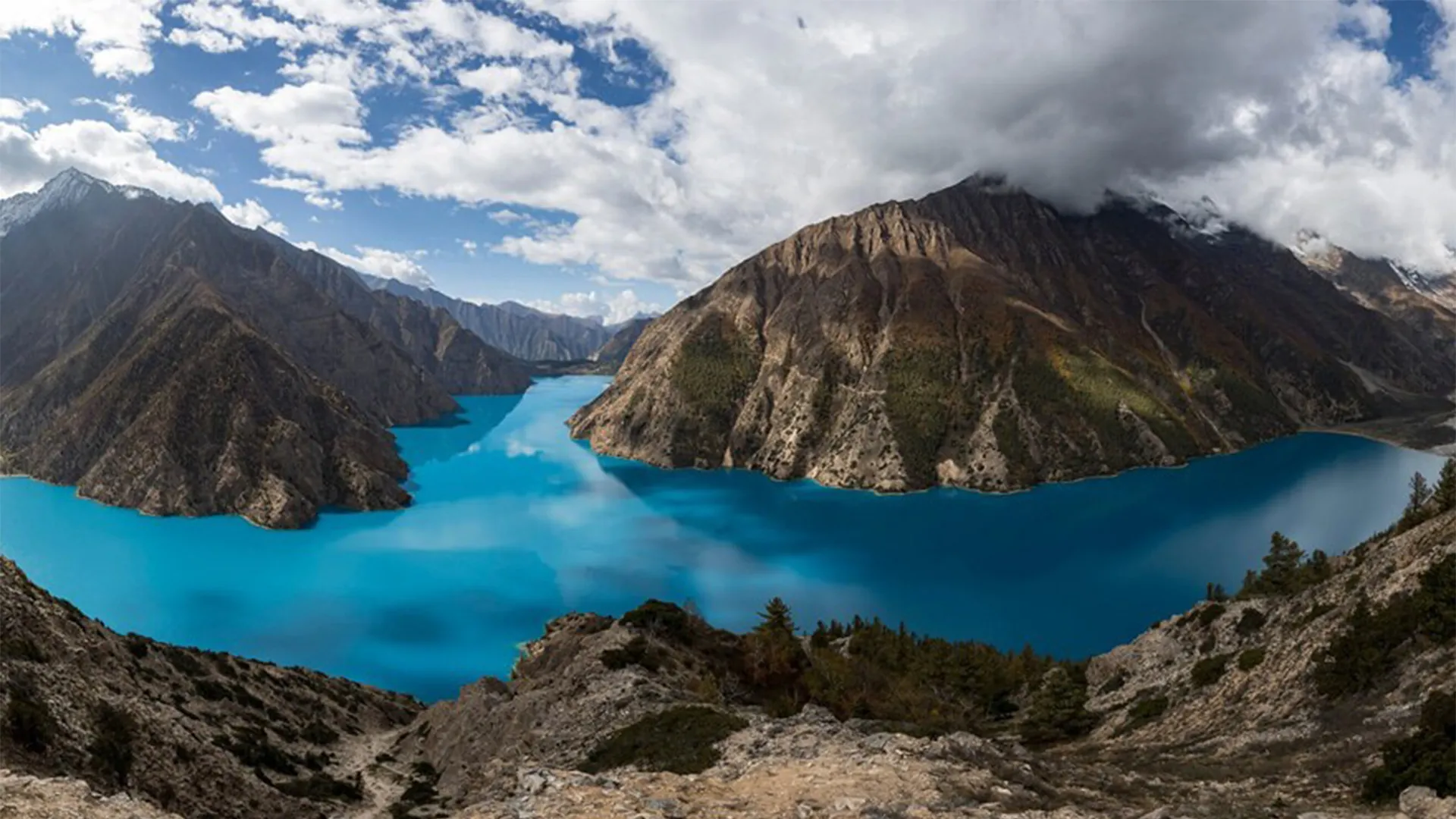
Key highlights such as Shey Gompa, the sacred Crystal Mountain, and Phoksundo Lake make the trek feel almost like a pilgrimage. This is among the highest inhabited regions on Earth, where wildlife such as the elusive Snow leopard moves silently through the rugged terrain in search of Himalayan blue sheep.
Although Dolpo does not feature 8,000-meter peaks, its appeal lies in its isolation, spirituality, and untouched landscapes. Those who venture here often describe it as life-changing—an experience that lingers in memory long after the journey ends and often calls trekkers back again.
Everest Region
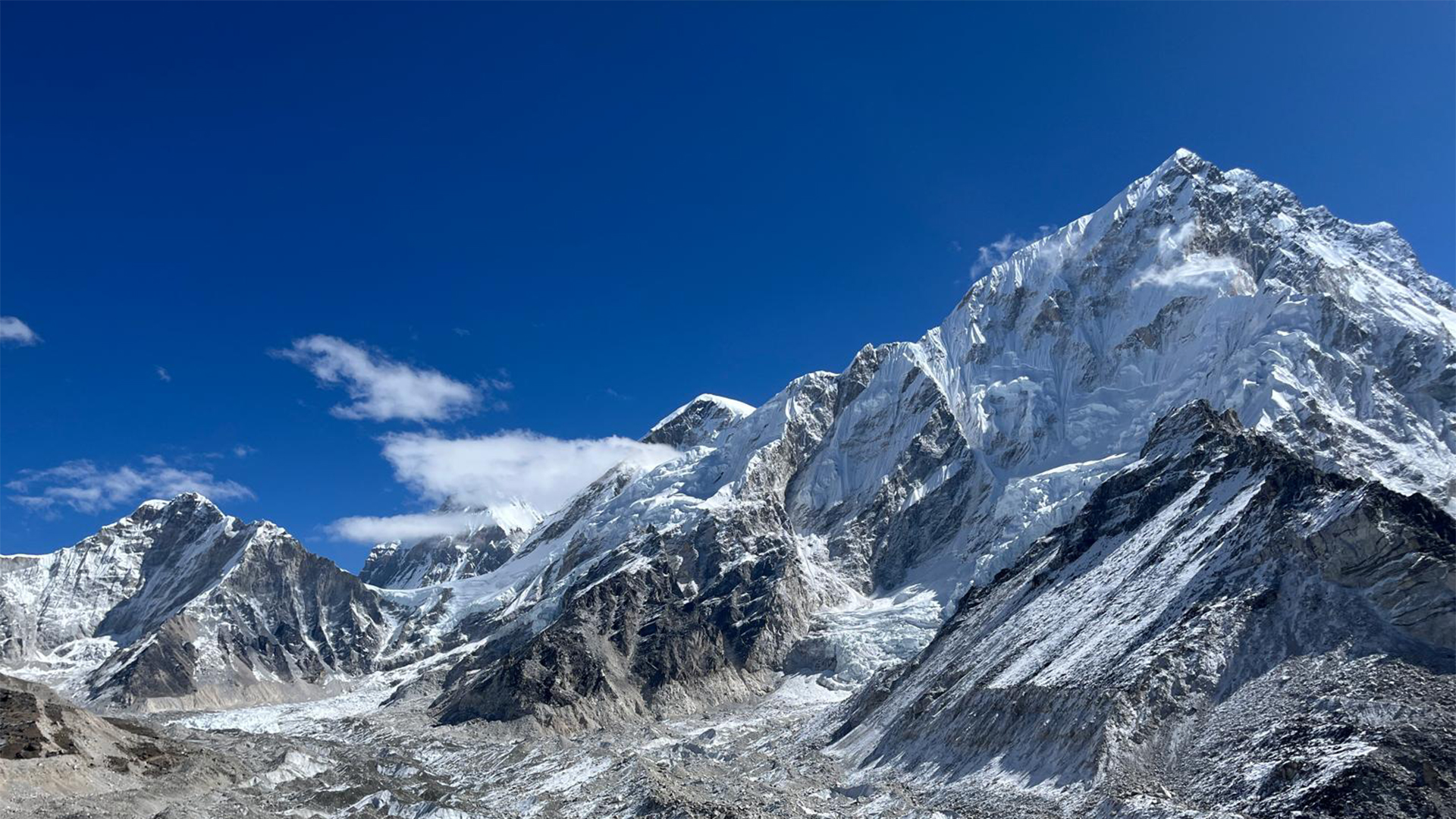
In 1953, Edmund Hillary, who made the first successful ascent of Mount Everest alongside Tenzing Norgay, later reflected that climbing the mountain was as much about personal challenge as it was about reaching the summit. That same spirit continues to inspire thousands of trekkers who journey through the Solu Khumbu to stand in the shadow of the world’s highest peak.
Everest is the most renowned mountain in a region filled with dramatic Himalayan landscapes—towering peaks, deep valleys, and Sherpa communities known for their resilience and hospitality. Trekking here is not just about reaching a destination, but about immersing yourself in a unique blend of nature and culture.
Whether known as Everest, Sagarmatha, or Chomolungma—“Mother Goddess of the World”—this iconic mountain remains the ultimate ambition for many adventurers. It’s no surprise that the Everest Base Camp trek has become the most popular trekking route in the Himalayas.
The motivation is simple: to challenge yourself and witness one of the greatest natural wonders on Earth.
Bestroutetrek Nepal provides a wide range of Everest trekking experiences tailored to different travel styles and preferences. Whether you are looking for a budget-friendly trek, a comfortable guided journey, or a fully customized luxury experience, they offer well-planned itineraries, experienced guides, and reliable support to ensure a safe and memorable adventure.
For those seeking a quieter route, the North Face in Tibet offers a different perspective. A road leads close to Rongbuk Monastery, near the North Base Camp at around 5,200 meters, with the option to continue toward Advanced Base Camp at approximately 6,400 meters if properly acclimatized.
For a more remote and demanding adventure, the Kangshung (East) Face remains one of the least visited approaches. This route takes trekkers through isolated valleys, alpine meadows, and high mountain terrain—often above 4,000 meters—and across high passes such as Karo La, which rises above 5,000 meters.
Along the journey, travelers encounter glaciers, monasteries, sacred lakes, and traditional settlements. In addition to rare views of Everest and the South Col, the route also reveals stunning panoramas of nearby giants like Makalu and Lhotse, ensuring a truly unforgettable Himalayan experience.
Kanchenjunga Region
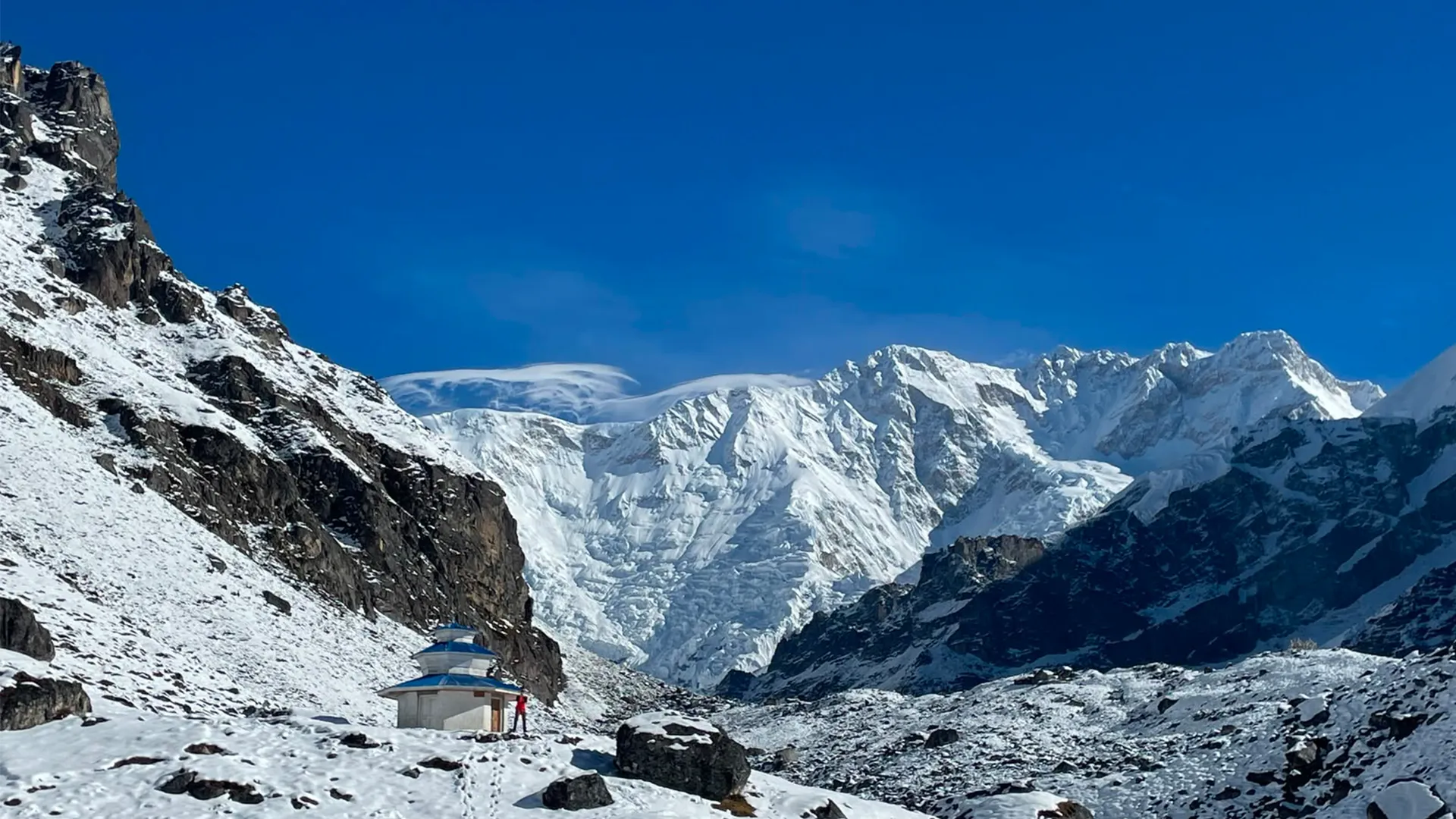
Dense rhododendron forests, sweeping mountain panoramas, and traditional communities rich in folklore and heritage come together beneath the towering presence of Kangchenjunga, the third-highest mountain in the world. Situated in eastern Nepal along the border with Sikkim, the Kanchenjunga Conservation Area is one of the country’s most remote trekking regions. Although it was explored early in Himalayan history, it remains far less visited than other popular trails. Outside the peak season in November, it’s common to walk for days without encountering other trekkers.
Higher up, villages are separated from lower valleys by rugged ridgelines and high passes, creating a deep sense of isolation. Treks in this region tend to be longer and more demanding, but the reward is an authentic journey through one of the most untouched corners of the Himalayas.
A typical round-trip trek to Kanchenjunga Base Camp takes around 20 days, though routes can be extended by linking lesser-known trails that lead into pristine wilderness. Trekkers can choose between the North Base Camp, the South Base Camp, or a combination of both. These routes pass through remote settlements such as Olangchung Gola and Yangma, where traditional lifestyles remain largely unchanged. In these high, isolated landscapes, wildlife sightings are possible—including the elusive Snow leopard, which inhabits this region.
There are two primary trekking seasons. The pre-monsoon months of April and May bring blooming rhododendron forests and vibrant scenery, although clouds can sometimes obscure mountain views. The post-monsoon period from October to November typically offers the clearest skies and most stable weather. However, conditions in the high Himalaya can be unpredictable, with heavy monsoon rains affecting the region and winter snow often blocking high passes from December through February.
Bestroutetrek Nepal has extensive experience organizing treks in the Kanchenjunga region, offering both camping and teahouse options for small groups and larger parties. For trekkers with good fitness and a desire to experience a quieter, more traditional side of Nepal—far from crowded trails—this journey offers a rare glimpse into how Himalayan trekking felt decades ago.

Langtang Region
The Langtang Himal rises just north of Kathmandu, making it one of the most accessible trekking regions in Nepal. A scenic day’s drive is enough to reach the trailhead, and from a logistical standpoint, it’s among the easiest Himalayan adventures to arrange. Despite this convenience, Langtang remains less crowded than other popular regions, attracting trekkers who prefer quieter trails.
The snow-covered peaks of Langtang create a striking backdrop to a beautiful valley that stretches east–west along the Tibetan border. The landscape combines alpine scenery with forests and traditional settlements, offering both natural beauty and cultural richness.
Unlike other trekking areas, there are no domestic flights required, and the mountain passes are relatively moderate by Himalayan standards. The region is also well-supported, with teahouses and lodges available along the main routes, making it comfortable for trekkers.
While the peaks here—many in the 6,000 to 7,000 meter range—are not as globally famous as Everest or Annapurna, they are no less impressive. The Langtang range sits between Ganesh Himal to the west and the Jugal Himal and Rolwaling Himal to the east. The area was first explored by Bill Tilman in 1949, and it has since remained a favorite for those seeking a more understated Himalayan experience.
Even so, the trails can occasionally be unclear, so experienced guides are recommended. The region’s rugged terrain and unpredictable weather are a reminder of its wild nature.
Bestroutetrek Nepal offers well-organized Langtang treks with experienced guides, ensuring both safety and a deeper understanding of the region. With its balance of accessibility, scenery, and cultural depth, Langtang provides an ideal introduction to trekking in the Himalayas—challenging enough to feel rewarding, yet approachable for many adventurers.
Manaslu Region
Positioned between the Annapurna Himal to the west and the Ganesh Himal to the east, Manaslu is one of the most elegant 8,000-meter peaks in Nepal. The trekking route around it is physically challenging yet deeply rewarding, combining dramatic landscapes with rich cultural experiences.
The journey begins in Nepal’s lower river valleys, where terraced fields of rice and millet dominate the scenery. From there, the trail gradually climbs into the deep gorge carved by the Budi Gandaki River, passing through remote villages and dense forests before reaching high alpine terrain near the Tibetan border. Eventually, the route crosses the high mountain pass of Larkya La Pass before descending into the greener landscapes of the Marsyangdi Valley. The constantly changing scenery makes this one of the most visually diverse treks in Nepal—but it requires good fitness and preparation.
The region was first explored by Bill Tilman in 1950, but trekking access remained restricted for decades. The Manaslu Circuit was officially opened to trekkers in 1991, initially with limited permits, helping preserve its remote character. Today, controlled access still helps maintain its relatively untouched environment.
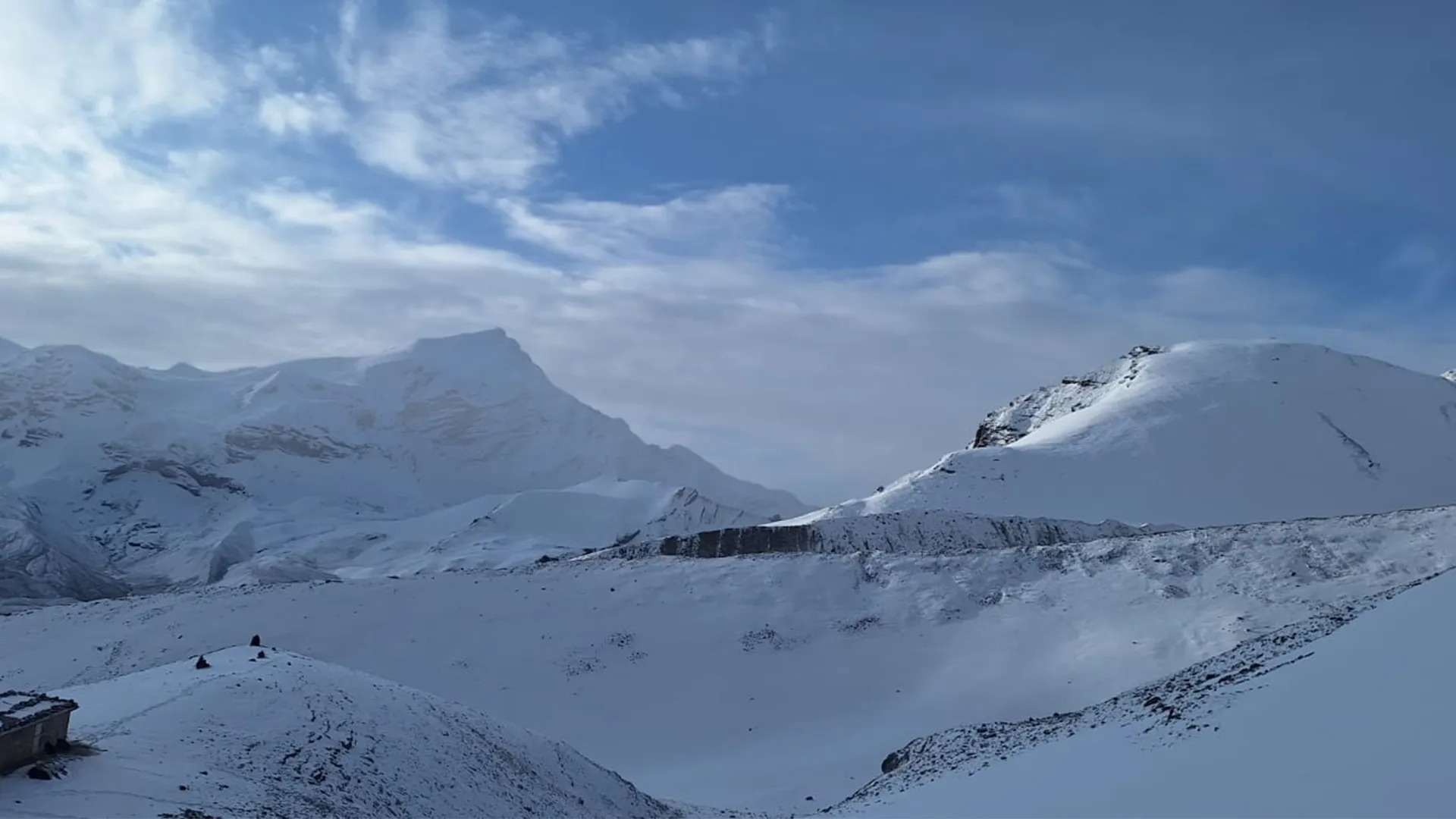
At the Larkya La Pass, trekkers stand at over 5,100 meters, surrounded by prayer flags and rugged Himalayan ridges. The views in both directions are striking: behind lies the trail through the Budhi Gandaki valley, while ahead the landscape opens into vast, glaciated wilderness.
After crossing the pass, the scenery transforms dramatically. A wide glacial amphitheater comes into view, framed by towering peaks such as Cheo Himal, Himlung Himal, and Kang Guru. Further west, the distant presence of the Annapurna Massif rises beyond the ridgelines, completing a spectacular Himalayan panorama.
Bestroutetrek Nepal organizes guided Manaslu Circuit treks, offering well-planned itineraries for trekkers seeking a less crowded but highly immersive Himalayan experience.
Ruby Valley Region
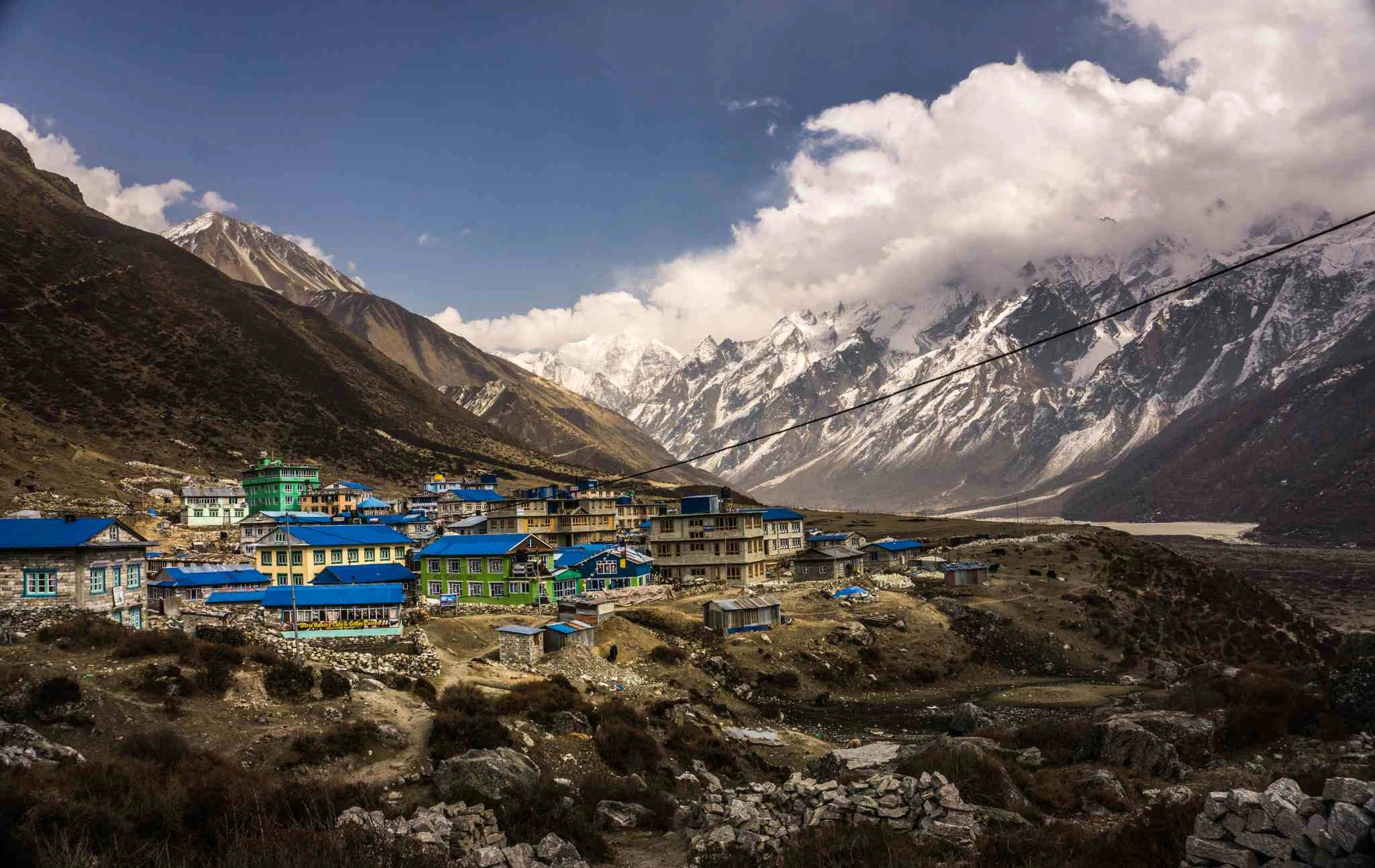
The Ganesh Himal Trek, also known as the Ruby Valley Region, is one of Nepal’s most rewarding yet least explored Himalayan destinations. Hidden between the famous Langtang and Manaslu regions, it offers an authentic trekking experience far from the crowded trails. Here, untouched landscapes, welcoming mountain communities, and breathtaking Himalayan scenery come together to create a journey that feels both peaceful and deeply immersive.
Unlike Nepal’s more commercial trekking destinations, the Ganesh Himal region remains remarkably unspoiled. The trails pass through quiet villages where daily life has changed little over generations, allowing visitors to experience the genuine traditions, hospitality, and culture of the Tamang, Gurung, Brahmin, Chhetri, and Dalit communities. Buddhist monasteries, ancient chortens, colorful prayer flags, and sacred forests reflect the region’s rich spiritual heritage, while local festivals and customs continue to preserve centuries-old Himalayan traditions.
The region takes its name from Ganesh Himal, a spectacular mountain range named after the Hindu deity Lord Ganesh. The massif stretches along the border between Nepal and Tibet and is crowned by several impressive snow-covered summits, including Ganesh I (Yangra), Ganesh II, Ganesh III, and Ganesh IV. These majestic peaks dominate the skyline throughout much of the trek, constantly changing appearance as sunlight, clouds, and weather transform the landscape from dawn until dusk.
Ruby Valley, the heart of the region, is famous for its rich geological history. The surrounding hills contain deposits of precious gemstones, including ruby and crystal, giving the valley its distinctive name. Although gemstone mining is limited today, the region remains known for its unique mineral wealth, adding another fascinating layer to its natural beauty.
Bestroutetrek Nepal offers unforgettable journeys through this remarkable region, where every day presents a new combination of mountain scenery, traditional villages, alpine forests, and hidden valleys. The Ganesh Himal Ruby Valley Trek is the most popular route, combining spectacular Himalayan panoramas with authentic cultural encounters that remain largely untouched by mass tourism.
The lower sections of the trail wind through lush terraced fields, rhododendron forests, pine woodlands, and fertile river valleys fed by countless mountain streams. During spring, the hills burst into color as Nepal’s national flower, the rhododendron, blankets entire mountainsides in vibrant shades of red, pink, and white. As trekkers gain elevation, dense forests gradually give way to open alpine meadows, rugged ridgelines, and sweeping mountain viewpoints.
One of the greatest highlights of the journey is crossing the region’s scenic high passes, where uninterrupted views stretch across some of Nepal’s finest Himalayan ranges. On clear days, trekkers can admire Ganesh Himal standing proudly alongside Langtang Lirung, Manaslu, the Annapurna range, and even distant peaks of the Tibetan Plateau. Sunrise and sunset transform these snow-covered giants into glowing shades of gold, orange, and crimson, creating unforgettable mountain panoramas.
The region is equally rich in wildlife and biodiversity. Much of the trek passes through pristine forests that provide habitat for Himalayan black bears, musk deer, Himalayan thar, langurs, barking deer, and occasionally the elusive red panda and snow leopard in the higher elevations. Colorful pheasants, eagles, vultures, and countless Himalayan bird species thrive throughout the forests, while rare medicinal herbs and alpine wildflowers flourish across the mountainsides.
Natural hot springs found near Tatopani provide another memorable experience along the trail. After days of trekking through rugged terrain, soaking in the warm mineral-rich waters offers welcome relaxation while surrounded by peaceful mountain landscapes. Nearby waterfalls, suspension bridges, and crystal-clear rivers further enhance the region’s natural charm.
What truly distinguishes the Ganesh Himal and Ruby Valley region is its remarkable sense of solitude. Even during the busiest trekking seasons, the trails remain quiet compared to Nepal’s more famous destinations. Instead of crowded teahouses and busy viewpoints, trekkers enjoy peaceful mountain paths, genuine interactions with local families, and an atmosphere that allows them to fully appreciate the serenity of the Himalayas.
From vibrant rhododendron forests and remote Himalayan villages to dramatic mountain passes and magnificent snow-covered peaks, the Ganesh Himal Trek offers an extraordinary blend of natural beauty, cultural authenticity, and adventure. For travelers seeking a less-traveled path without sacrificing spectacular scenery, the Ruby Valley Region stands as one of Nepal’s finest hidden Himalayan treasures—an unforgettable journey where every step reveals a deeper connection to the mountains and the people who call them home.
